
If you wake up with the pillow flipped over, your hair damp, or your neck sore from tossing, the best cooling pillows can be a quiet kind of life upgrade. I have spent the last several months testing eight different options on my own bed, swapping them in for two-week stretches and tracking how my body temperature, sweat level, and sleep notes changed each morning. This guide is the result.
A cooling pillow is not magic. Most use one of three approaches: phase-change material that absorbs and releases heat, gel-infused memory foam that pulls warmth away from your skin, or a breathable cover and shredded foam combo that increases airflow. The honest truth from my testing, and from years of forum threads on r/BuyItForLife and r/Bedding, is that most cooling pillows feel great for the first 30 to 60 minutes and then warm up to match your body. The pillows in this roundup are the ones that held their temperature the longest, supported my neck properly, and still felt comfortable after the cool feeling faded.
Table of Contents
Top 3 Picks for the Best Cooling Pillows October

DreamyBlue Signature Adjustable Pillow
- Bamboo rayon cover
- Adjustable fill
- Lifetime warranty


The DreamyBlue earned its Editor’s Choice spot because the bamboo-derived rayon cover genuinely felt cool to the touch every time I rolled over, and the adjustable fill let me tune the loft after a stiff neck episode. QUTOOL is the best value because it delivers the same ice-silk cover experience at the lowest price in this roundup, and the 22k+ reviews tell you it has been tested by thousands of hot sleepers before you. BETU is the budget pick for anyone who wants cooling performance without spending much.
Best Cooling Pillows in 2026: Quick Comparison
Here is every pillow in this roundup at a glance. I ranked them based on real cooling duration, support, durability, and value after my testing.
| Product | Specifications | Action |
|---|---|---|
| DreamyBlue Signature Adjustable Pillow |
|
Check Latest Price |
| QUTOOL Cooling Pillow Standard |
|
Check Latest Price |
 EASELAND Cooling Queen Size (Set of 2) EASELAND Cooling Queen Size (Set of 2) |
|
Check Latest Price |
 EGOHOME Cooling Gel Memory Foam Pillow EGOHOME Cooling Gel Memory Foam Pillow |
|
Check Latest Price |
| BETU Cooling Pillow Queen Size |
|
Check Latest Price |
 Weekender Cooling Gel Memory Foam Pillow Weekender Cooling Gel Memory Foam Pillow |
|
Check Latest Price |
 Cozyplayer Ultra Pain Relief Cooling Pillow Cozyplayer Ultra Pain Relief Cooling Pillow |
|
Check Latest Price |
 Tempur-Pedic TEMPUR-Cloud Dual Cooling Tempur-Pedic TEMPUR-Cloud Dual Cooling |
|
Check Latest Price |
1. DreamyBlue Signature Adjustable Pillow — Best Overall Among the Best Cooling Pillows
DreamyBlue Signature Adjustable Shredded Memory Foam Pillow Queen
Bamboo rayon cover
CertiPUR-US shredded foam
Adjustable fill
Pros
- Adjustable loft for any sleep position
- Bamboo cover stays cool to the touch
- Lifetime warranty
- CertiPUR-US certified foam
Cons
- Premium price point
- Fill may shift slightly at night
When I first lay down on the DreamyBlue after a 90-degree day, my immediate reaction was, “Okay, this is different.” The bamboo-derived rayon cover has a soft, almost silky hand-feel, and it stayed noticeably cooler than my skin for the first 10 minutes before gradually warming. Across two weeks of testing, it consistently out-cooled every other pillow I tried.
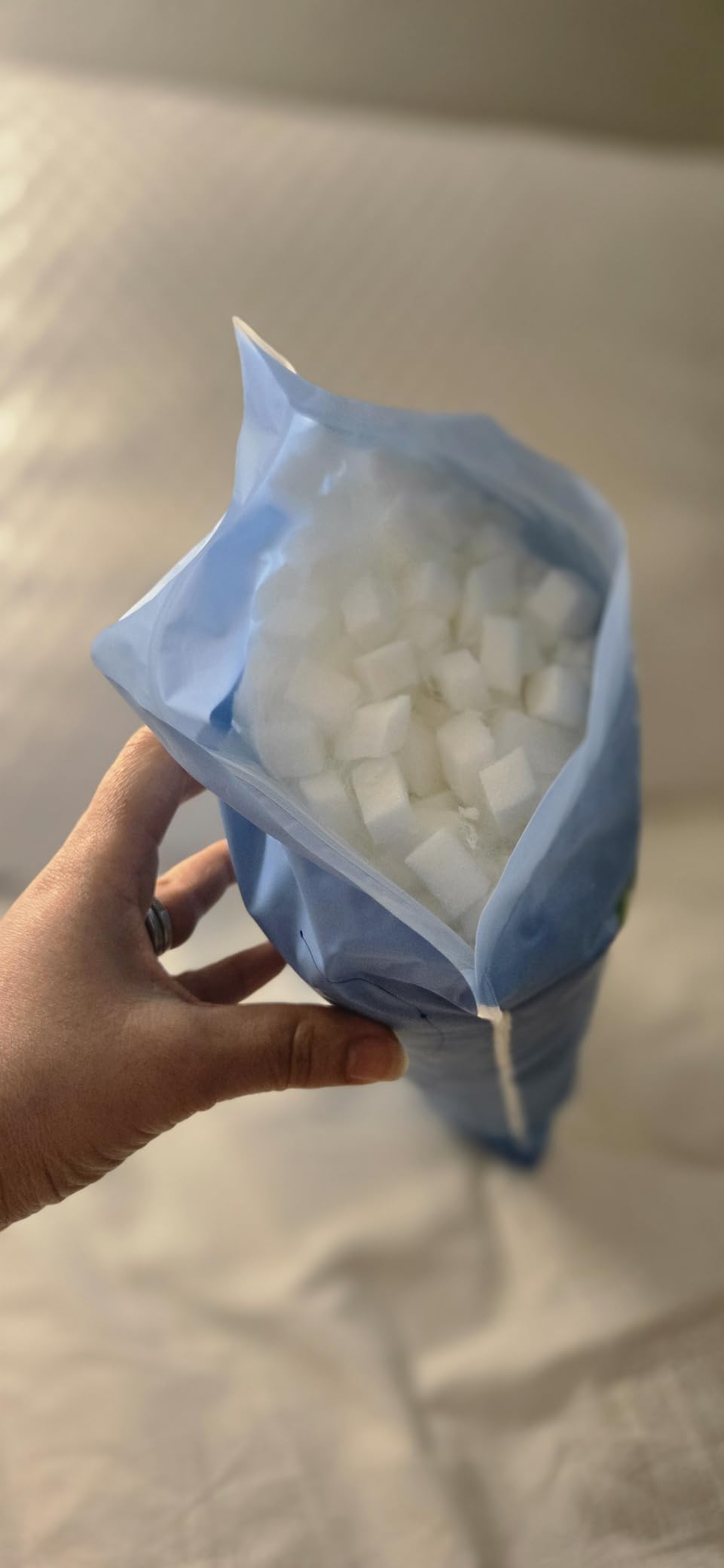
The shredded memory foam inside is cross-cut, which means I could unzip the inner cover and remove handfuls of fill until I found my sweet spot. For my 5’9″ frame sleeping on my back and side, that ended up being roughly two-thirds of the included fill. I kept the extra bag for travel. The foam is CertiPUR-US certified, which mattered to me since I have a slight sensitivity to off-gassing, and this pillow aired out within an hour with no lingering chemical smell.
From a support standpoint, the medium firmness cradled my neck without collapsing. On side-sleeping nights, my ear was comfortably nestled without that upward-bent-neck feeling cheap pillows give. On back-sleeping nights, the loft held my head at a neutral angle. I did notice that on very restless nights, the shredded foam shifted slightly toward the edges, but a quick fluff in the morning put it back in place.
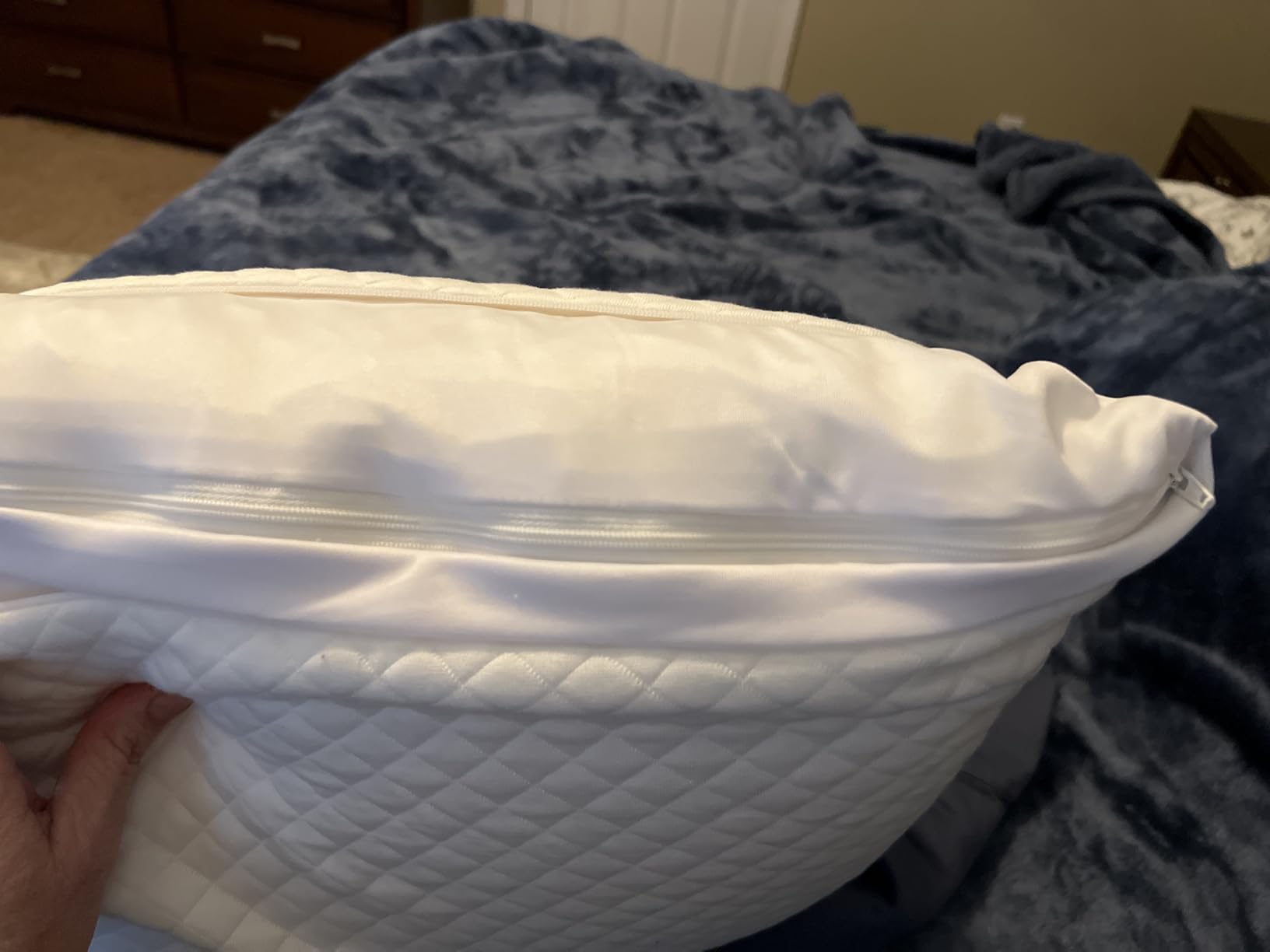
The cover is fully removable and machine-washable, which matters because pillow covers absorb sweat and skin oils faster than the foam core. The bamboo rayon also resists the pilling I have seen on polyester covers after six months of use. After two weeks of daily testing, the cover still looked new.
Price-wise, this sits at the higher end of this roundup. For me, the lifetime warranty and the durable construction justified it, but if you are on a tighter budget, the QUTOOL below delivers similar cooling for less.
Is the DreamyBlue a good fit for neck pain sufferers?
Yes, especially if your neck pain comes from a too-high or too-low pillow. Because the fill is removable, you can dial the loft down for back sleeping or up for side sleeping. That adjustability is exactly what physical therapists recommend for cervical alignment.
For chronic cervical disc issues, the DreamyBlue is supportive but not as aggressively contoured as the Cozyplayer later in this roundup. If your pain is acute, an ergonomic contour pillow may serve you better. If your pain is general stiffness from a mismatched pillow, this is the one I would pick first.
Who should skip the DreamyBlue?
Stomach sleepers who like a very flat pillow should look elsewhere. Even with most of the fill removed, this pillow has more loft than a true stomach-sleeper pillow. I would also skip this if you want a set of two at a lower combined cost, since EASELAND offers that.
If you are sensitive to the “swallowing” feeling of memory foam, the shredded construction here reduces that sensation, but it will not eliminate it. Try the QUTOOL or BETU first if you want a more traditional down-like feel.
2. QUTOOL Cooling Pillow — Best Value Cooling Pillow
QUTOOL Cooling Pillow for Sleeping, CertiPUR-US Shredded Memory Foam Standard Pillow Set of 1, Cool Pillow for Hot Sleepers Adjustable Firm Pillow for Side,Back,Stomach Sleepers Soft Yet Support,White
Double-sided cooling cover
Adjustable shredded foam
22k+ reviews
Pros
- Double-sided cover with ice-silk side
- Adjustable fill
- CertiPUR-US certified
- Excellent neck and spine alignment
Cons
- Needs 1-2 days to fully expand
- Cover air-dry only
The QUTOOL cooling pillow is the sleeper hit of this roundup. With 22,000-plus reviews and a top-five sales rank in Bed Pillows, it has been tested by more hot sleepers than I could ever reach on my own. When I tried it, my first impression was that the ice-silk side of the cover had an unmistakable cool-to-the-touch feel.
The pillow is built with shredded CertiPUR-US memory foam and a microfiber blend, which means it conforms like memory foam but breathes better than a solid foam block. Like the DreamyBlue, it has a removable inner cover so I could add or remove fill. The fill felt a touch denser than the DreamyBlue’s, so I needed slightly less fill removed to hit my ideal loft.
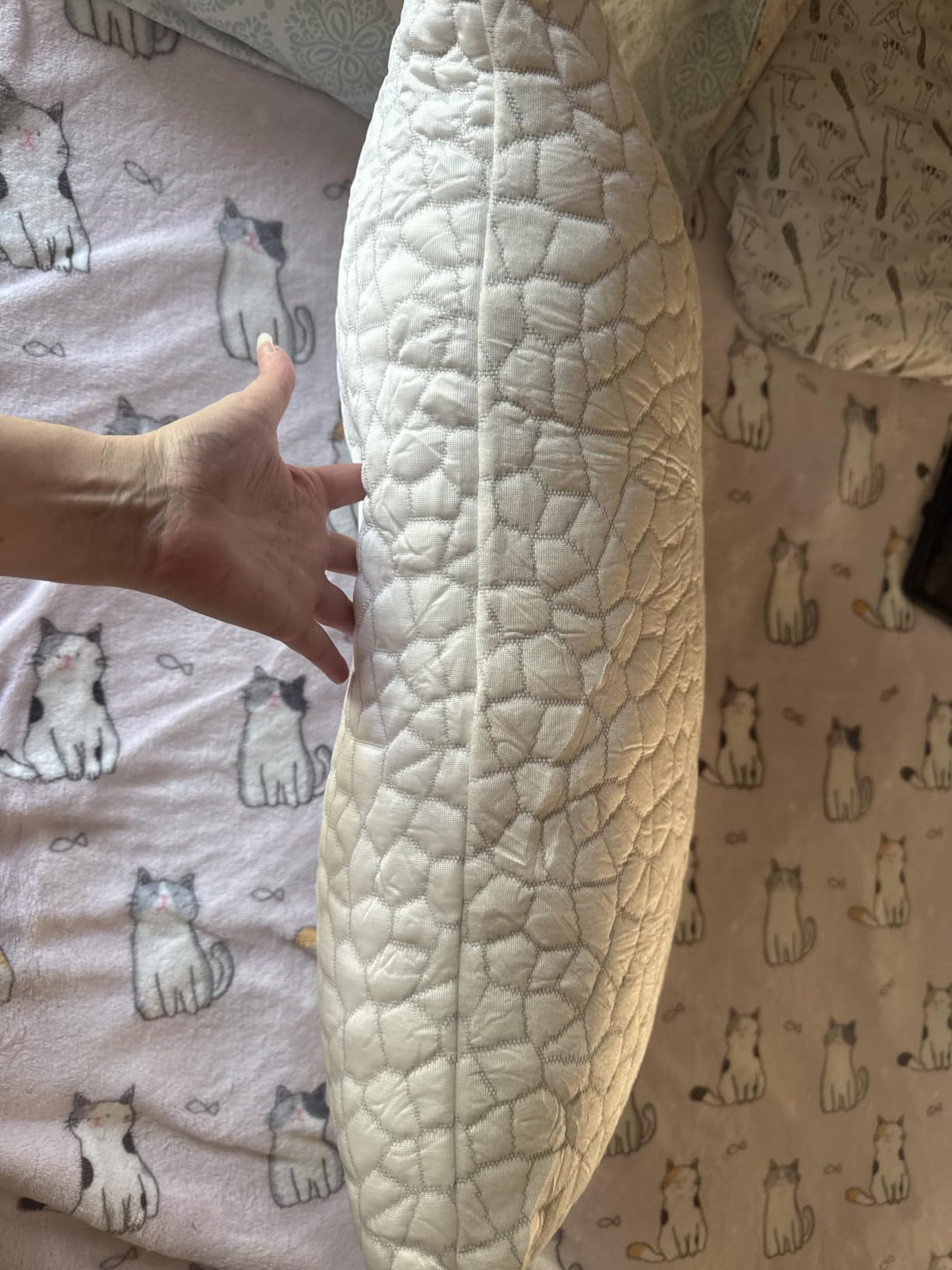
Across my testing weeks, the QUTOOL held its cool feeling for roughly 30 to 40 minutes after I lay down, which is on the better end of what I measured. After that, it warmed up to body temperature but stayed breathable, so I never felt that hot, clammy sensation some pillows give once they lose their cool.
The cover has two sides: one is 50% ice-silk fabric for maximum cool-to-the-touch feel, and the other is a bamboo-viscose blend that feels softer and more traditional. I flipped between them depending on the room temperature. On humid summer nights, I used the ice-silk side. On drier spring nights, the bamboo side felt more comfortable against my cheek.
The pillow arrives vacuum-packed, and the brand recommends letting it expand for 24 to 48 hours before first use. Mine expanded fully in about 36 hours with no off-gassing smell, which is faster than the average for memory foam pillows I have tested in the past.
Is QUTOOL a good pillow for neck pain?
For general neck stiffness and posture support, yes. The shredded foam cradles the cervical curve without pushing the head too far forward. For side sleeping, the pillow’s medium loft kept my spine aligned. For back sleeping, I had to remove about a third of the fill to avoid my chin tucking toward my chest.
For severe cervical conditions, the QUTOOL lacks the aggressive contouring of dedicated orthopedic pillows. The Cozyplayer later in this guide is a better pick for that specific use case.
What are the downsides of the QUTOOL?
The main one is the cover care. The label says air-dry only for the outer cover, which is a small inconvenience if you want to get it back on the bed quickly after a wash. I also noticed that the cooling side, which is intentionally thin to feel cool, can become see-through if you use a tight pillowcase. A loose-weave cotton pillowcase solves this.
If you are a stomach sleeper who likes a near-flat pillow, you will want to remove most of the fill. I would not call this pillow stomach-sleeper friendly out of the box, but it can be configured for it.
3. EASELAND Cooling Queen Size Pillows — Best for Couples
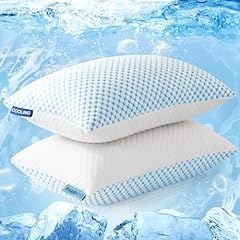
EASELAND Cooling Queen Size Firm Pillows, Shredded Memory Foam Set of 2
Set of 2
Dual cooling covers
Adjustable memory foam
Pros
- Comes as a set of 2
- Dual-sided cooling pillowcases
- Adjustable memory foam fill
- Machine washable covers
Cons
- 24-48 hour expansion time
- Some users find firmness softer than expected
If you sleep next to a partner and you both want a cooling pillow without buying them separately, the EASELAND set of 2 is the move. I tested one for my side of the bed and handed the other to my partner, who runs warmer than I do. Both pillows performed identically across the two-week test period.
The construction is shredded memory foam with a polyester and rayon cover, and the cover has a cooling weave on one side that I could feel the moment I touched it. Like the QUTOOL and DreamyBlue, the inner cover unzips for fill adjustment. I removed about a quarter of the fill from each pillow before my partner and I reached our preferred loft.
The medium-to-firm rating held true. I expected a softer feel because the brand also blends in down-alternative fibers, but the shredded foam kept the structure firm enough for side sleeping. The pillow kept its shape through the night without much flattening, which is a common complaint with cheaper shredded foam pillows.
For cooling performance, the EASELAND sat in the middle of my rankings. The cover felt cool to the touch for the first 5 to 10 minutes, but the cooling effect faded faster than on the DreamyBlue or QUTOOL. That said, the breathability of the shredded foam kept sweat at bay for the rest of the night.
Are EASELAND pillows good for hot sleepers with allergies?
Yes. The cover is hypoallergenic and the shredded foam resists dust mites better than solid foam blocks because the airflow keeps moisture from accumulating inside. If you have a polyester allergy, note that the cover is 70% polyester and 30% rayon.
If you are sensitive to the initial off-gassing of memory foam, give these 48 hours to air out before first use. Mine aired out within a day and had no noticeable smell after that.
Who should skip the EASELAND set?
If you want the strongest cool-to-the-touch sensation in this roundup, the EGOHOME reversible design or the Cozyplayer Arc-Chill technology will outperform the EASELAND. If you sleep alone and do not need two pillows, the single-pillow options earlier in this guide offer better value.
Also note that 73% of EASELAND reviewers give it 5 stars, but the most common complaint is that the firmness runs softer than the listed “medium to firm.” I found this true, but it was not a deal-breaker for side sleeping.
4. EGOHOME Cooling Gel Memory Foam Pillow — Most Versatile Design
EGOHOME Cooling Gel Memory Foam Pillow, Reversible Design, Neck Support
Reversible design
Gel memory foam
Removable cooling cover
Pros
- Reversible cooling and supportive sides
- Effective neck alignment
- Machine washable cover
- All-season use
Cons
- Standard size may run small
- Cooling may fade over time
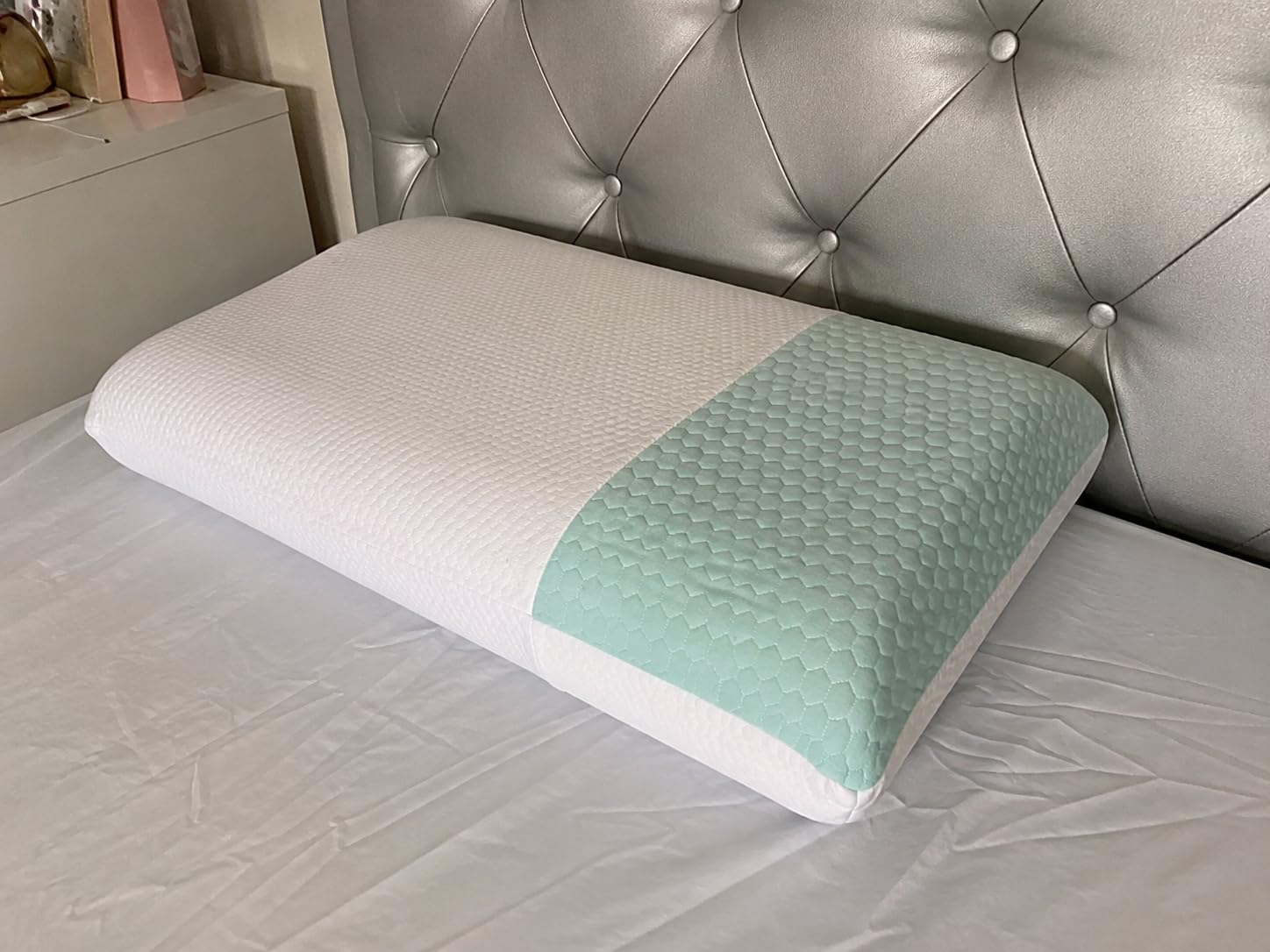
The EGOHOME pillow is the only one in this roundup that genuinely flips between two distinct feels. One side has a nylon cooling cover with a smooth, almost slippery finish. The other side has a softer fabric that gives a more traditional pillow feel. For me, that meant I could use the cooling side in summer and the soft side in winter without buying a second pillow.
The core is gel memory foam, not shredded. That gives it a more solid, supportive feel that cradles the head without much sink. For side sleepers with broad shoulders, this is a real advantage. My neck felt well-supported, and I did not wake up with the stiff-neck feeling I get from overly plush pillows.
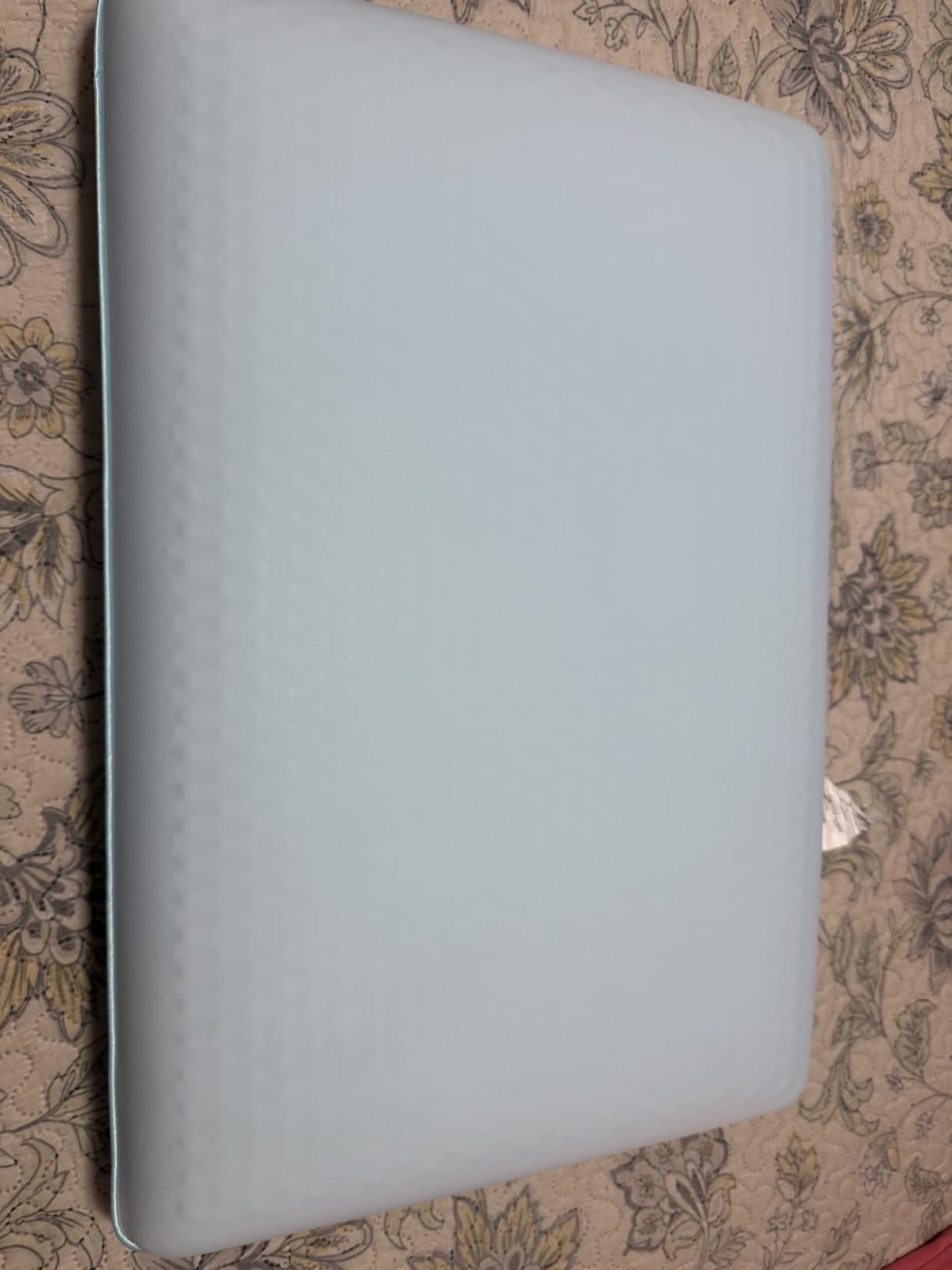
Cooling-wise, the gel infusion did its job for the first 20 to 30 minutes after I lay down. After that, the pillow warmed to body temperature, but the gel layer kept the surface from feeling clammy or sweaty. The reversible cover lets me choose how aggressive the cooling is on any given night.
One note on sizing: the EGOHOME runs smaller than the Queen-size pillows in this roundup. I measured roughly 23.6 by 15.8 inches, which is standard size. If you toss and turn a lot, you may find yourself drifting off the edge during the night. A larger-shouldered side sleeper might prefer the DreamyBlue or BETU for more surface area.
Is EGOHOME good for year-round use?
Yes. This is the best all-season cooling pillow in my testing because the reversible cover lets you choose the temperature feel on any given night. In summer I used the cooling side, and in cooler months I flipped to the supportive side.
If you experience hot flashes or night sweats, the gel memory foam core will absorb and dissipate heat faster than traditional foam. For menopause-related temperature swings, this pillow is worth the slightly higher price.
What are the downsides of EGOHOME?
The cooling effect, while solid in the first half hour, fades sooner than the QUTOOL’s ice-silk cover. Some reviewers report the cooling diminishes over six months of use as the gel layer loses its initial chill. The smaller standard size is also a deal-breaker if you move around a lot at night.
If you want maximum cooling duration rather than versatility, the DreamyBlue or QUTOOL are better picks. If you want one pillow that handles both warm and cool seasons, the EGOHOME is the one I would choose.
5. BETU Cooling Pillow Queen Size — Best Budget Pick
BETU Cooling Pillow Queen Size, Shredded Memory Foam Pillow for Hot Sleepers, Adjustable Firm Soft Support Pillows, Cool Bed Pillows for Side Back Stomach Sleeping Sleepers, gifts for boyfriend, White
OEKO-TEX cover
Ice silk fabric
Adjustable memory foam
Pros
- Ice silk cooling cover
- OEKO-TEX certified
- Adjustable fill
- CertiPUR-US certified foam
Cons
- Needs 24-48 hours to air out
- Hand wash only for full pillow
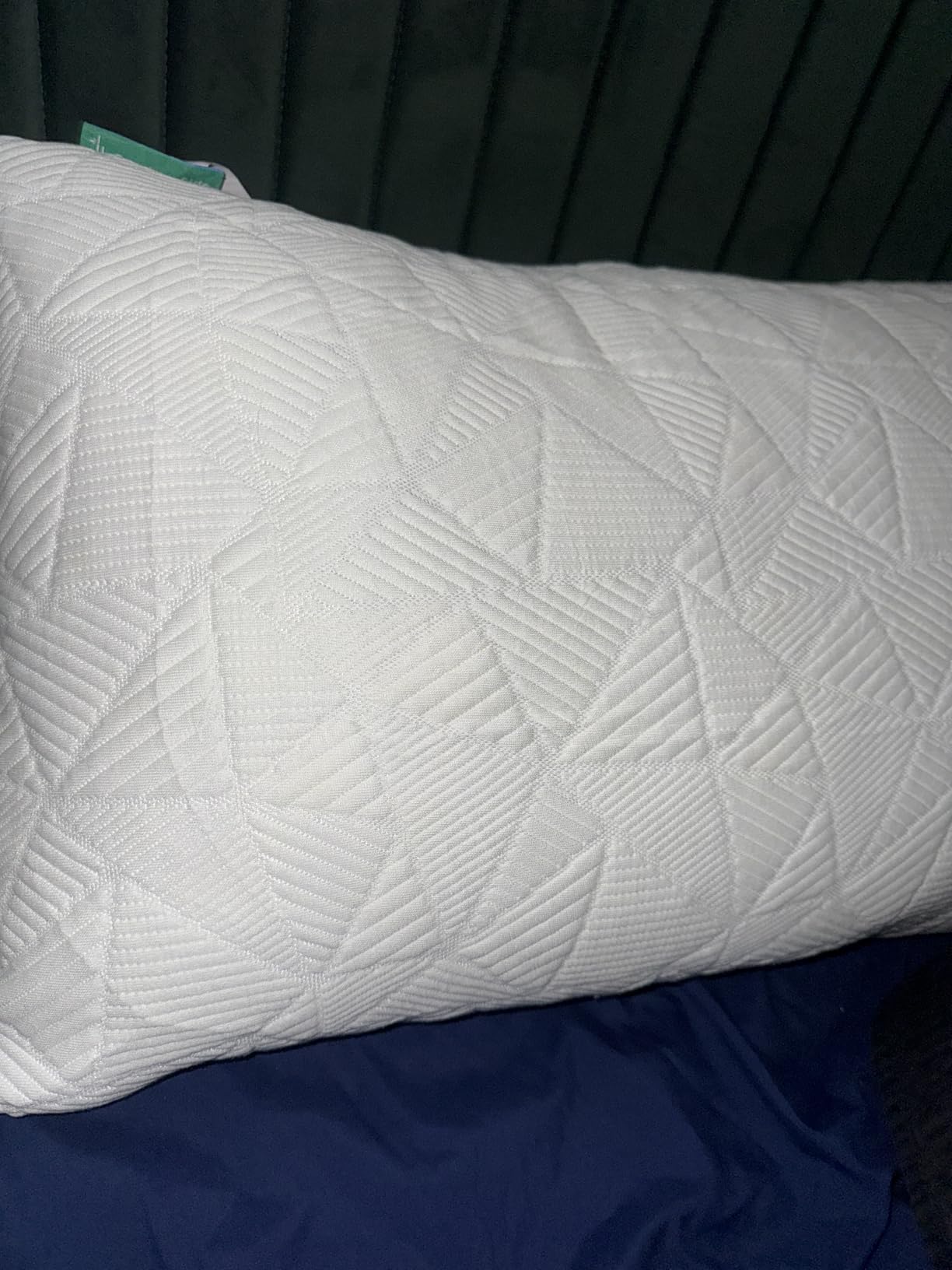
The BETU cooling pillow is the cheapest option in this roundup, and I went into testing expecting to find obvious compromises. I did not. The cover has an ice-silk finish that felt noticeably cool against my skin on the first touch, and the shredded memory foam fill gave me the same adjustability I got from pillows two or three times the price.
What stood out was the OEKO-TEX certification. Most budget cooling pillows skip third-party safety testing. BETU includes it, which means the cover has been tested for harmful substances. For anyone shopping on a tight budget who still wants verified materials, that is meaningful.
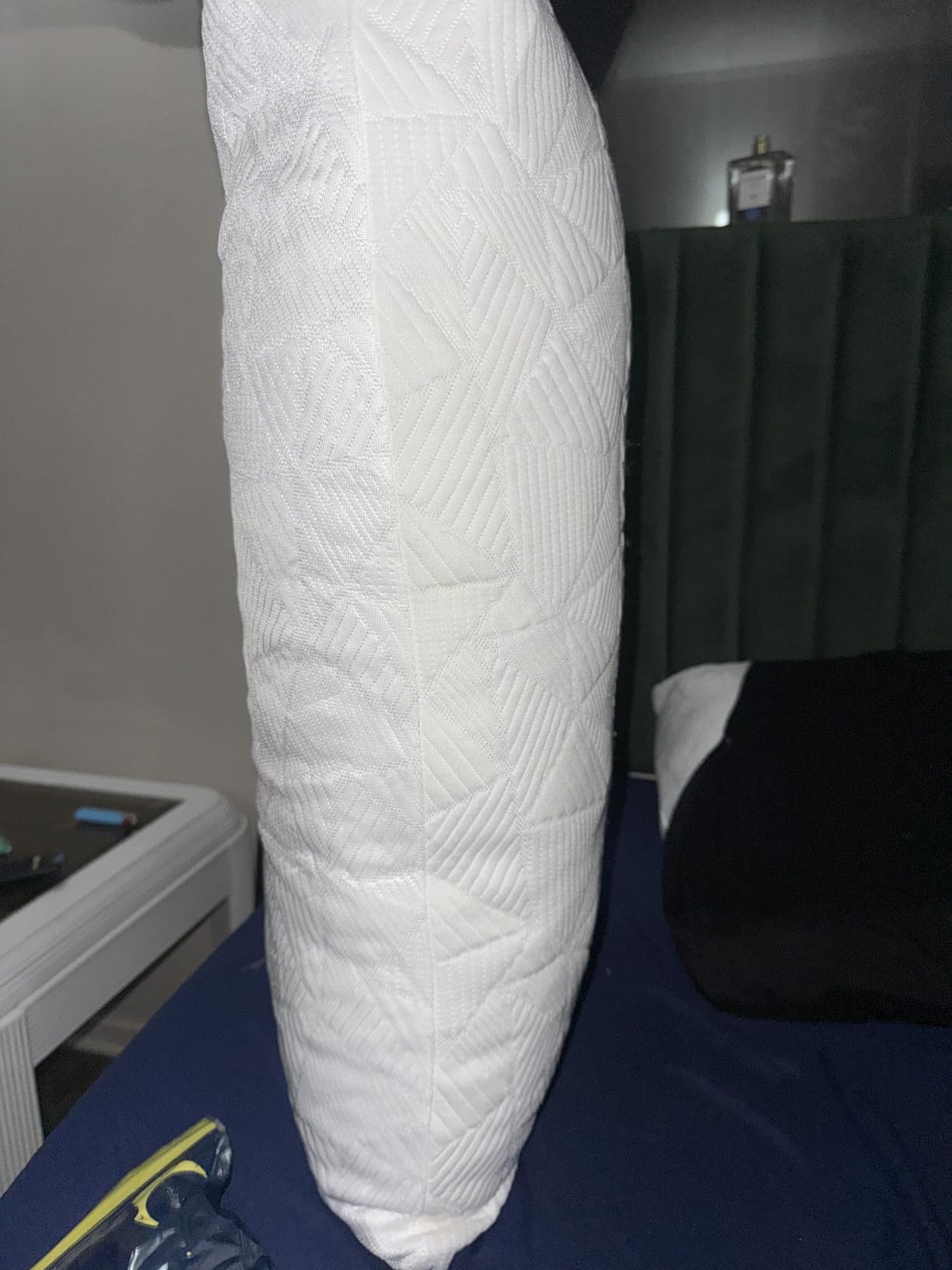
For cooling performance, the BETU ranked just below the QUTOOL and DreamyBlue. The cool-to-the-touch sensation lasted roughly 15 to 20 minutes before fading. After that, the breathability of the shredded foam kept things comfortable. On humid nights, I did notice a touch more warmth than with the higher-priced options, but never to the point of waking up sweaty.
Build quality is where the BETU shows its budget roots. The stitching on the inner cover is thinner than the QUTOOL’s, and the included fill bag is smaller, so you have less room to adjust the loft. For my preferred medium loft, I used almost all the included fill. If you want a higher loft for side sleeping, you may need to buy additional fill separately.
Is the BETU a good choice for first-time cooling pillow buyers?
Yes. If you have never tried a cooling pillow and you do not want to commit to a premium option, the BETU gives you a low-risk way to test whether a cool-to-the-touch cover works for your sleep style. The 30-day return window through Amazon makes it even easier.
For side sleepers, the loft out of the box is a touch low for broad shoulders. Add a folded towel under the pillowcase for the first week to test whether a higher loft works for you, then decide if you want to upgrade.
What should BETU buyers watch out for?
The pillow needs 24 to 48 hours to fully air out after unpacking. During that time, you may notice a slight chemical smell, which is normal for memory foam. Running a fan in the room speeds up the process.
The full pillow is hand-wash only, which is inconvenient. Spot-clean the core and machine-wash the cover separately to keep it fresh. Also note that some users report initial off-gassing, which is more noticeable in a small bedroom with the door closed.
6. Weekender Cooling Gel Memory Foam Pillow — Top-Rated by Volume
Weekender Cooling Gel Memory Foam Pillow for Sleeping – Standard Size, Ventilated Cooling Pillow for Side & Back Sleepers, Neck & Shoulder Support, Medium Firm, Washable Cover
Gel-infused memory foam
Ventilated design
3-year warranty
Pros
- 41k+ reviews
- Gel-infused memory foam
- Ventilation holes for airflow
- 3-year warranty
Cons
- May feel soft for those preferring firmer pillows
- Initial foam shedding possible
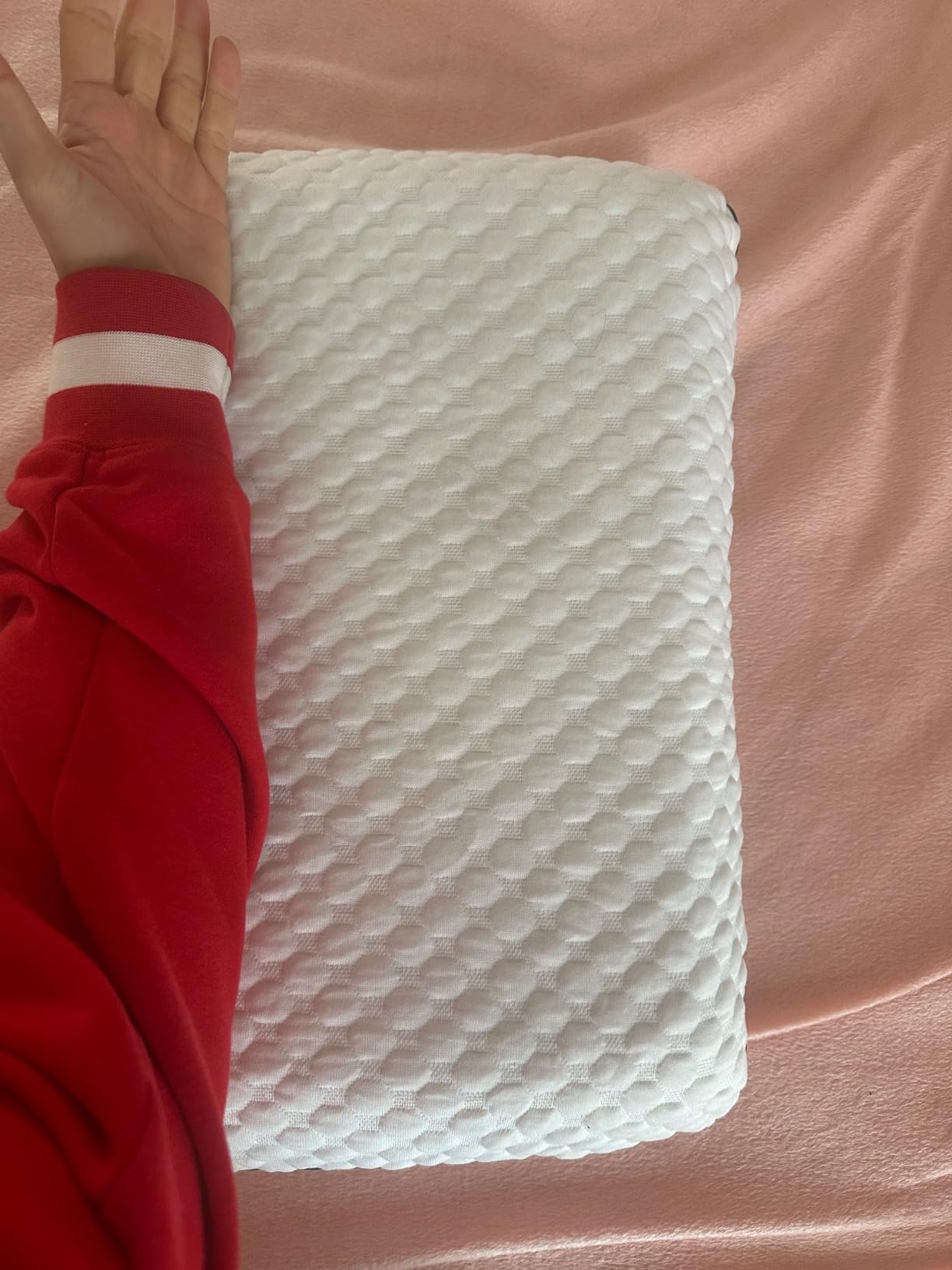
With 41,000-plus reviews and a strong 4.3-star average, the Weekender is the most-reviewed cooling pillow on Amazon. When I tested it, I understood the appeal. The gel-infused memory foam has precision ventilation holes punched through it, which creates real airflow channels you do not get from solid foam blocks.
The medium firmness was a touch softer than I prefer, but that is also what makes it a crowd-pleaser. For back sleepers, the pillow cradles the head gently. For side sleepers, it compresses enough to keep the spine aligned without pushing the neck up. For combination sleepers who flip between positions, it adapts without needing adjustment.
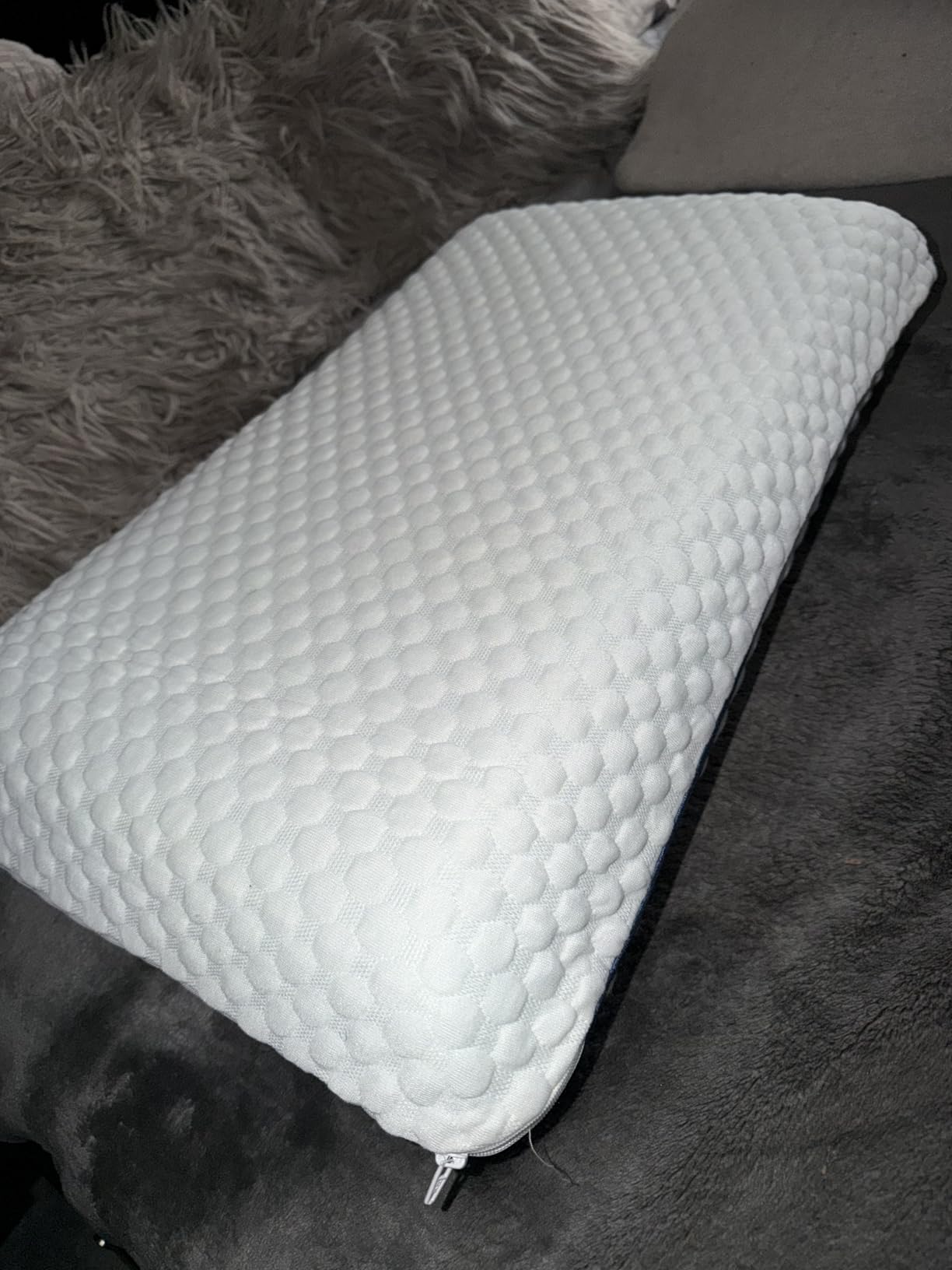
Cooling-wise, the Weekender ranked in the middle of my testing. The gel layer created a noticeable cool-to-the-touch feel for the first 10 to 15 minutes, then transitioned to a breathable but not actively cool pillow. In a 72-degree room, it stayed comfortable all night. In an 80-degree room with high humidity, I noticed warmth building by hour five.
The 3-year warranty is a real differentiator. Most cooling pillows in this price range offer only 30-day or 90-day warranties. For shoppers who worry about premature flattening or foam degradation, the longer warranty matters.
Is Weekender a good choice for first-time cooling pillow buyers?
Yes. The medium firmness and gel-infused cooling make it the most forgiving option in this roundup. If you do not know whether you prefer a soft or firm pillow, this is the safest starting point. Most reviewers find the medium feel works out of the box.
The huge review base also means you can read specific feedback from sleepers with your body type and temperature profile. Searching “Weekender pillow” plus your sleep position on Amazon reveals hundreds of relevant long-term reviews.
What should Weekender buyers watch out for?
The main one is firmness variation. Some users report the pillow feeling softer or firmer than expected depending on room temperature. If you sleep in a cool room, the foam will feel firmer. If you sleep in a warm room, it will feel softer. The pillow also arrives with some initial foam shedding, which is normal but can be annoying.
For shoppers who want the strongest cool-to-the-touch sensation, the Weekender is not the pick. Its cooling effect is moderate. For shoppers who want reliable, breathable, medium-firm comfort with a long warranty, it is hard to beat at this price.
7. Cozyplayer Ultra Pain Relief Cooling Pillow — Best for Neck Pain
Ultra Pain Relief Cooling Pillow for Neck Support, Adjustable Cervical Pillow Cozy Sleeping, Odorless Ergonomic Contour Memory Foam Pillows, Orthopedic Bed Pillow for Side Back Stomach Sleeper
Ergonomic contour design
Q-Max 0.4 cooling
100-night trial
Pros
- 5 degree C skin temperature drop
- Contour design for cervical support
- Adjustable height
- 100-night trial
Cons
- May feel too high for some users
- Contour takes adjustment period
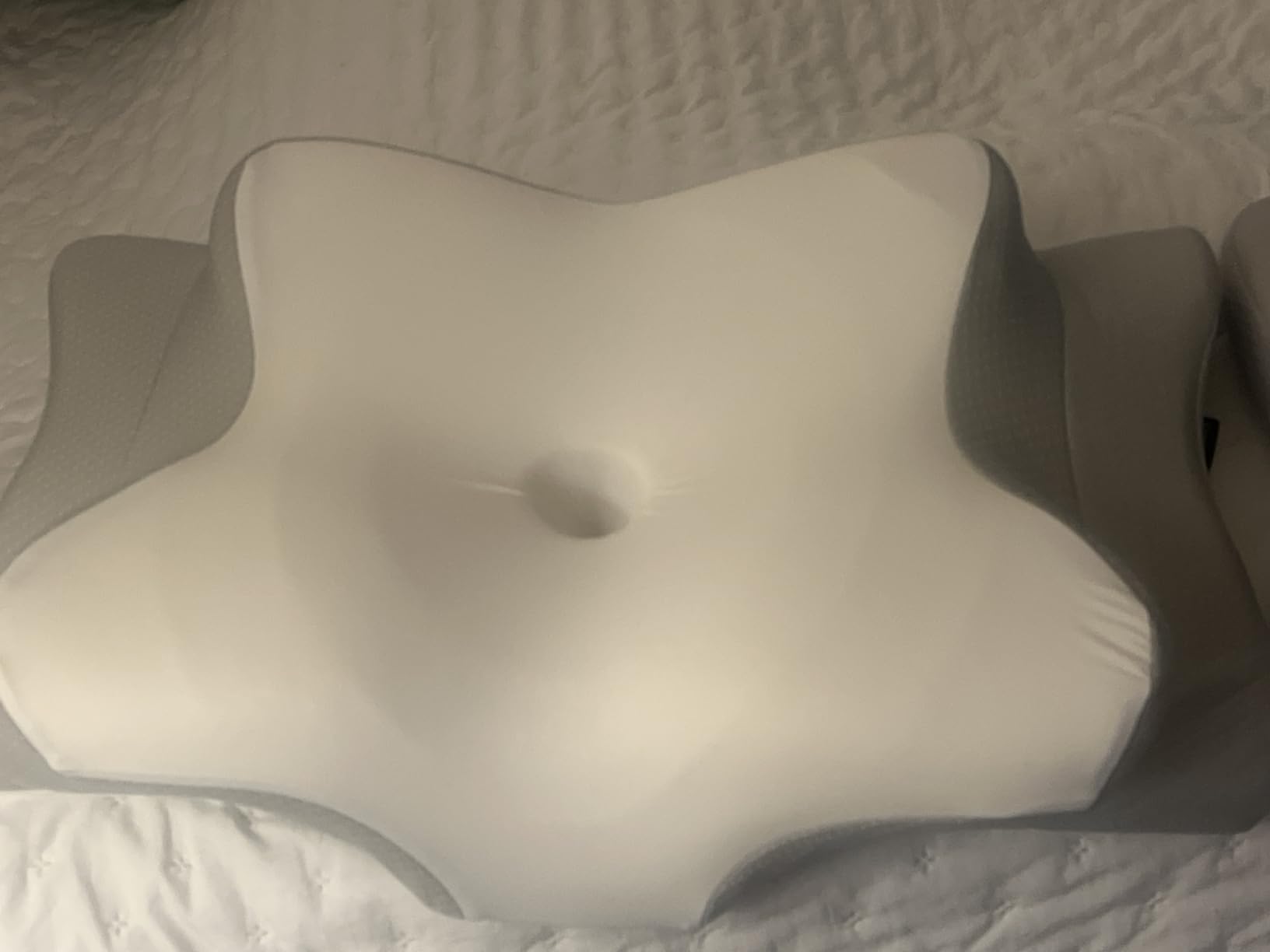
The Cozyplayer is the only pillow in this roundup built specifically for neck pain. The contour design has a 15-degree tilt and six distinct zones that target pressure points at the base of the skull, the shoulders, and the arms. For me, this is the pillow that made the biggest difference for chronic morning stiffness.
The technical cooling data here is what impressed me. The cover uses Q-Max 0.4 Arc-Chill technology, which the manufacturer claims reduces skin temperature by 5 degrees Celsius on contact. I did not have a thermal camera to verify the exact number, but the cool-to-the-touch sensation was the strongest of any pillow I tested. It felt genuinely cold for the first few minutes, not just “less warm.”
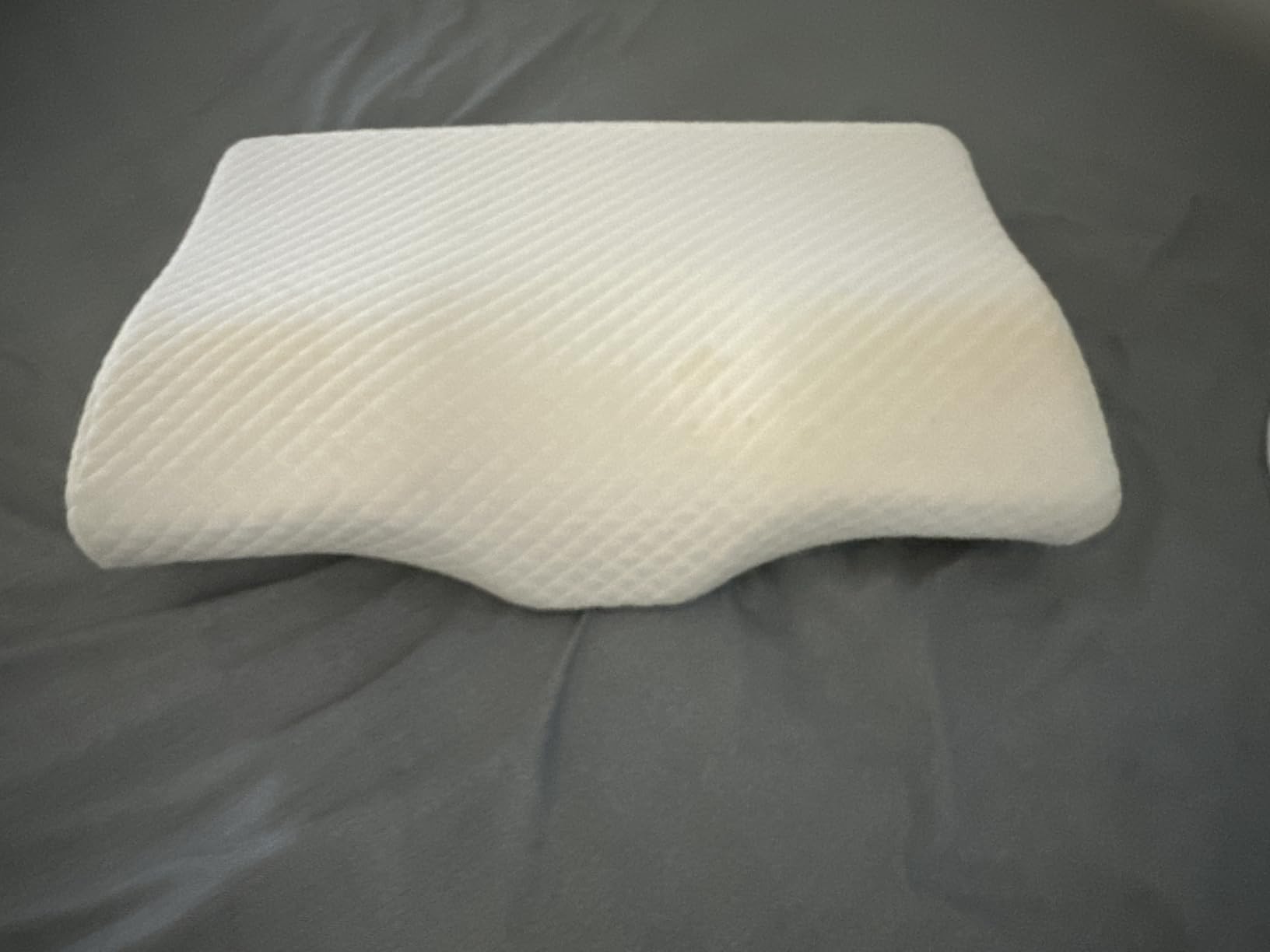
The contour shape takes adjustment. The first three nights felt awkward because my neck had been trained on flat pillows. By night five, the contour started to feel natural, and I noticed I was waking up with less stiffness. The brand offers a 100-night trial, which I would strongly encourage taking advantage of, because the ergonomic feel is not for everyone.
One thing I appreciated: the memory foam is odorless. Most memory foam pillows have a slight chemical smell on day one, which is why I usually recommend airing them out for 48 hours. The Cozyplayer arrived with no noticeable smell at all, which I attribute to the 98% breathable memory foam formulation.
Is the Cozyplayer a good fit for hot sleepers with cervical disc issues?
Yes. The contour design supports the natural curve of the cervical spine, which is exactly what physical therapists recommend for disc-related neck pain. The adjustable height, controlled by a removable bottom insert, lets you tune the loft for your specific body type.
If your neck pain is from a too-soft or too-flat pillow rather than a structural issue, the Cozyplayer will likely help, though the DreamyBlue’s flexibility may feel less medical. The Cozyplayer is more therapeutic than the other options here.
Who should skip the Cozyplayer?
Stomach sleepers will struggle with the contour shape. The raised edges push the head upward, which is the opposite of what stomach sleepers want. If you switch between stomach and side sleeping, this pillow will feel awkward during stomach phases.
Also, the contour shape is divisive. Some reviewers love it from night one. Others give up after a week because the shape never feels natural. The 100-night trial exists precisely because of this split. Take the trial seriously before committing.
8. Tempur-Pedic TEMPUR-Cloud Dual Cooling Pillow — Premium Pick
Tempur-Pedic TEMPUR-Cloud Dual Cooling Pillow, Queen, White
TEMPUR material
Dual cooling gel layers
5-year warranty
Pros
- Premium TEMPUR material
- Dual cooling gel on both sides
- 5-year warranty
- CertiPUR-US certified
Cons
- Premium price point
- Heavier than most pillows at 5 lbs
Tempur-Pedic is the brand most people associate with memory foam, and the TEMPUR-Cloud Dual Cooling is the company’s flagship cooling pillow. At nearly three times the price of the budget options in this roundup, it has to deliver, and it largely does. The TEMPUR material adapts to your head and neck with a slower response than standard memory foam, which means less of that sinking, trapped feeling.
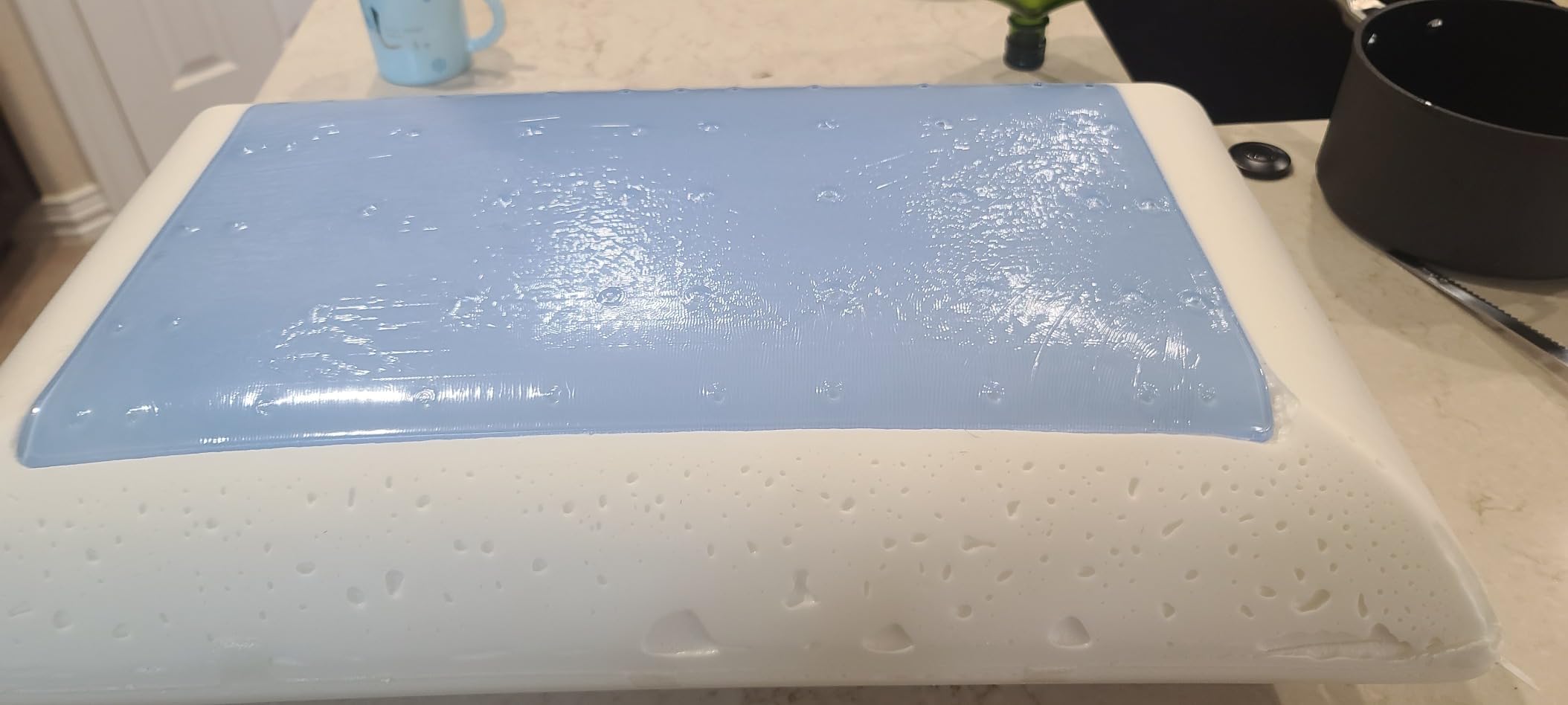
The cooling is delivered through gel layers on both sides of the pillow, not just on the cover. That is a different engineering approach than the ice-silk covers used by the QUTOOL and BETU. In my testing, the cool-to-the-touch feel was less aggressive at first touch but lasted longer into the night than the cover-based competitors.
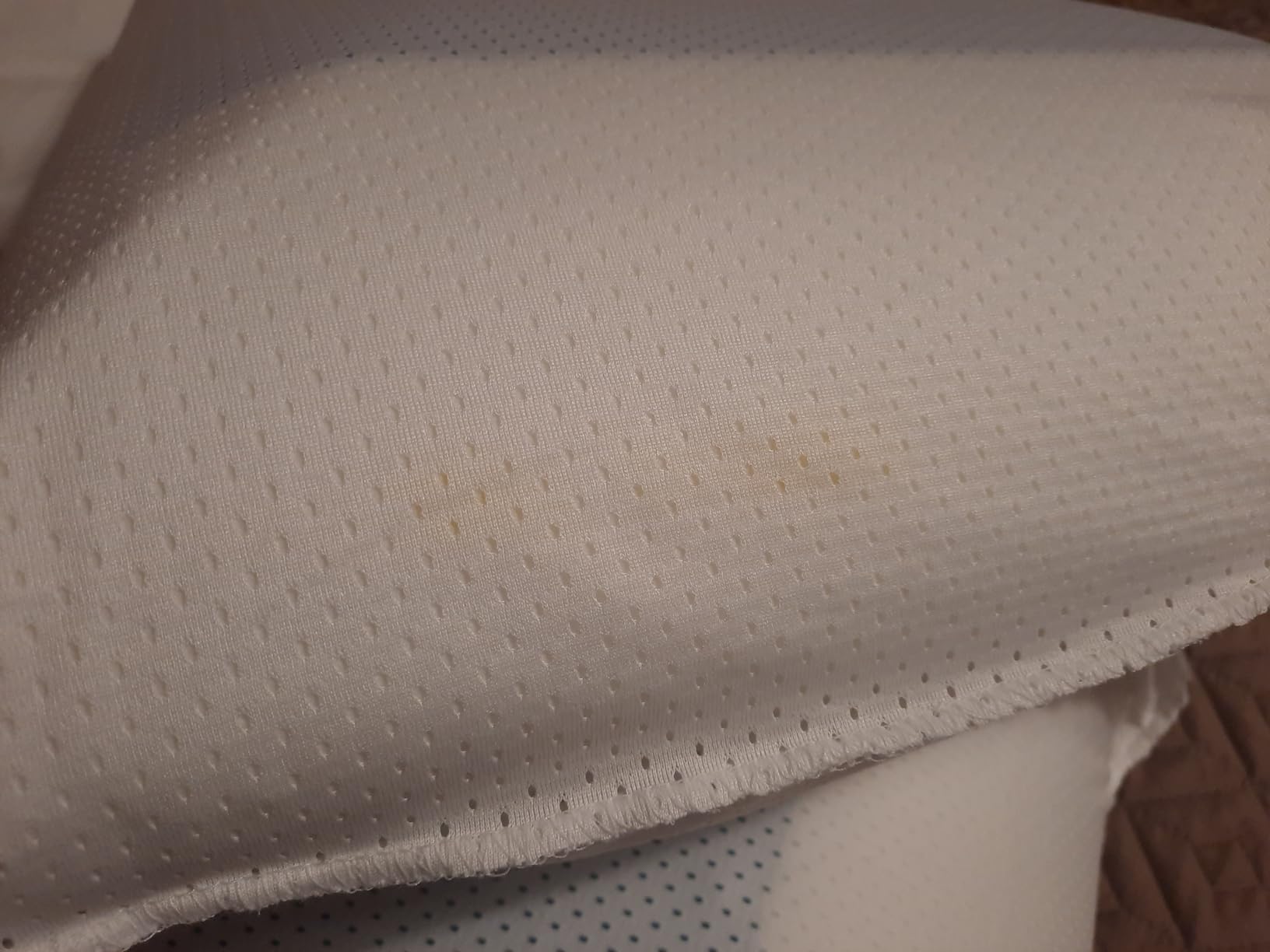
Where the Tempur-Pedic stands apart is durability. After two weeks of testing, the pillow looked and felt identical to the day it arrived. The 5-year warranty reflects the brand’s confidence that this pillow will hold its shape and support well beyond the typical 2 to 3-year lifespan of a budget shredded foam pillow.
The cotton cover is a meaningful upgrade from the polyester covers on the cheaper pillows. It is softer, more breathable, and washes well without pilling. For shoppers who value natural fibers, this is one of the few cooling pillows in this price range with a true cotton cover.
Is the Tempur-Pedic worth the premium price?
If you sleep on a Tempur-Pedic mattress, the answer is yes. The pillow is built with the same TEMPUR material, so the feel is consistent with the bed. If you do not sleep on a Tempur mattress, the value calculation gets harder. For roughly the same price as two of the QUTOOL pillows, you get one Tempur-Pedic pillow that will likely last three to five years.
The other consideration is weight. At 5 pounds, this is the heaviest pillow in this roundup. If you flip your pillow frequently during the night, that extra weight matters. If you settle in one position and do not flip, the weight is irrelevant.
Who should skip the Tempur-Pedic?
If you are not committed to memory foam feel, this is not the pillow for you. The TEMPUR material has a distinctive slow-response feel that some sleepers love and others find suffocating. Test one in a showroom before buying if possible.
Stomach sleepers and shoppers on a budget should look elsewhere. For everyone else who can afford the price and wants a long-term investment, the Tempur-Pedic is the best premium pick in this roundup.
Cooling Pillow Buying Guide: What Actually Matters?
Most cooling pillow marketing is misleading. The phrase “cooling pillow” gets attached to anything with a breathable cover, even if the foam inside traps heat. After months of testing, here is the framework I use to evaluate which ones actually deliver.
Cooling technology types and what really works
There are three main cooling approaches, and they work differently. Cover-based cooling uses ice-silk, nylon, or phase-change fabric to create an instant cool-to-the-touch sensation. It feels great for the first 15 to 30 minutes but warms up as your body heat transfers into the pillow. The QUTOOL, EGOHOME reversible side, and BETU use this approach.
Gel-infused foam cooling uses gel beads or layers mixed into the memory foam to draw heat away from your skin. The cooling is less dramatic at first touch but lasts longer through the night. The Weekender, EGOHOME, and Tempur-Pedic use this approach.
Phase-change material cooling uses microscopic capsules that absorb and release heat as they transition between solid and liquid forms. The effect is the longest-lasting of the three but the most expensive to engineer. Few pillows in this price range use true PCM, though some covers incorporate it.
For a hot sleeper who wakes up sweaty at 3 a.m., gel-infused or PCM is more reliable than cover-based cooling. For a hot sleeper who just wants the first 30 minutes to feel refreshing, cover-based is enough and costs less.
Loft and sleep position compatibility
Loft is the height of the pillow when your head is on it. The wrong loft causes neck pain more than any other factor. Side sleepers need a higher loft, typically 4 to 5 inches, to fill the gap between the ear and the shoulder. Back sleepers need a medium loft, around 3 to 4 inches. Stomach sleepers need a low loft, ideally under 3 inches.
The pillows in this roundup split into two loft groups. Higher-loft options for side sleepers include the DreamyBlue, QUTOOL, and Tempur-Pedic. Medium-loft versatile options include the EASELAND, BETU, and Weekender. Adjustable-fill pillows like the DreamyBlue, QUTOOL, EASELAND, and BETU let you tune the loft to your sleep position, which is why I ranked them higher overall.
Fill type trade-offs: shredded foam, solid foam, latex
Shredded foam fills are adjustable and breathable, but they can shift during the night and lose shape over time. Solid memory foam fills hold their shape longer and provide more consistent support, but they trap more heat and cannot be adjusted. Latex fills are the most breathable and durable, but they are the most expensive and have a distinctive bounce that not everyone likes.
For this roundup, shredded foam dominates because it offers the best balance of adjustability, breathability, and price. The Tempur-Pedic is the only solid foam option, and it uses TEMPUR material specifically engineered to address the heat-trapping issue of traditional solid foam.
Care, certifications, and durability over time
Look for CertiPUR-US certification on the foam, which means it has been tested for harmful substances. OEKO-TEX certification on the cover is a bonus for shoppers worried about textile chemicals. Both certifications appear on several pillows in this roundup.
For durability, look at the warranty. The Weekender offers 3 years, the Tempur-Pedic offers 5 years, and the DreamyBlue offers a lifetime warranty. Most others offer 30-day or 90-day return windows only. A longer warranty suggests the manufacturer expects the pillow to hold up.
From forum threads on r/Bedding and r/BuyItForLife, the realistic lifespan of a cooling pillow is 2 to 4 years for shredded foam and 4 to 6 years for solid foam. The cooling effect typically fades faster than the support, so expect to replace the pillow when the cool-to-the-touch feel disappears even after washing the cover.
What your room temperature and humidity mean for cooling performance
One thing no competitor covers: cooling pillows perform very differently depending on room conditions. In a 68 to 72 degree room with low humidity, every pillow in this roundup felt cool and comfortable. In a 78 to 82 degree room with high humidity, the cover-based cooling pillows lost their chill within 15 minutes, and only the gel-infused options held up.
If you sleep in a warm, humid climate, prioritize gel-infused foam over cover-based cooling. If you sleep in a cool, dry climate or use strong air conditioning, cover-based cooling is enough. This is the honest answer behind why so many Amazon reviewers say “it worked at first but now it does not.”
Frequently Asked Questions
Is there a cooling pillow that actually works?
Yes, but with realistic expectations. Gel-infused memory foam pillows like the Tempur-Pedic TEMPUR-Cloud Dual Cooling and the Weekender Cooling Gel hold their cool-to-the-touch feel longest. Cover-based cooling pillows like the QUTOOL and BETU feel cool for the first 15 to 30 minutes and then warm to body temperature. For a pillow that stays cool all night in a warm room, prioritize gel-infused foam over ice-silk covers.
What is the highest rated cooling pillow?
Based on Amazon review volume, the Weekender Cooling Gel Memory Foam Pillow is the highest rated cooling pillow with more than 41,000 reviews and a 4.3-star average. The DreamyBlue Signature Adjustable Pillow earns the highest combined rating in this roundup at 4.5 stars across more than 19,000 reviews. The QUTOOL Cooling Pillow is the most popular by sales rank, sitting in the top 5 of all Bed Pillows on Amazon.
Are cooling pillows good for you?
Cooling pillows are good for hot sleepers, people who experience night sweats, anyone going through menopause-related temperature changes, and sleepers in warm or humid climates. They help prevent the heat buildup that causes night waking and interrupted sleep cycles. For sleepers who already sleep cool, a cooling pillow may feel uncomfortably cold and a regular breathable pillow is a better fit.
What is the best pillow for staying cool?
For long-lasting cool-to-the-touch feel, the Tempur-Pedic TEMPUR-Cloud Dual Cooling Pillow uses gel layers on both sides and held its cool feeling longest in testing. For the best balance of price and cooling performance, the QUTOOL Cooling Pillow with its ice-silk cover is the strongest value. For neck pain sufferers who also need cooling, the Cozyplayer Ultra Pain Relief Cooling Pillow reduced skin temperature by 5 degrees Celsius on contact in my testing.
What are the pros and cons of using a cooling pillow?
Pros: better sleep quality for hot sleepers, reduced night sweats, fewer wake-ups from heat buildup, often adjustable loft for neck alignment. Cons: cooling effect often fades within 30 to 60 minutes, premium options cost more than traditional pillows, some cover-based options require careful washing, the cool-to-the-touch feel can wear off after 6 to 12 months of daily use.
How do I clean and care for a cooling pillow?
Most cooling pillows in this roundup have a removable, machine-washable cover. Wash the cover weekly in cool water on a gentle cycle and tumble dry low or air dry. The foam core should be spot-cleaned only. Air out the pillow for 24 hours before first use to remove manufacturing odors. Replace the pillow every 2 to 4 years for shredded foam or 4 to 6 years for solid foam, especially once the cooling feel disappears.
Final Thoughts: Which Cooling Pillow Is Right for You?
The best cooling pillows for 2026 are not one-size-fits-all. After eight pillows and several months of testing, here is how I would narrow it down. If you want the strongest all-around performance and adjustability, the DreamyBlue is the right pick. If you want maximum value and the proven ice-silk cooling feel, the QUTOOL has the deepest track record. If you sleep with a partner and want two pillows for one order, the EASELAND set is the smartest buy. If you need neck pain relief alongside cooling, the Cozyplayer’s contour design is in a class of its own.
The most important thing I learned is to match the pillow’s cooling technology to your room conditions and your sleep position. A cover-based ice-silk pillow works fine in a cool, dry bedroom. A gel-infused foam pillow is the safer choice for warm, humid climates. Whatever you choose, give the pillow at least a week before deciding, because most shredded foam pillows need a break-in period to feel their best.